
The Journey of Clear Vision: A History of Phacoemulsification Introductory Section:
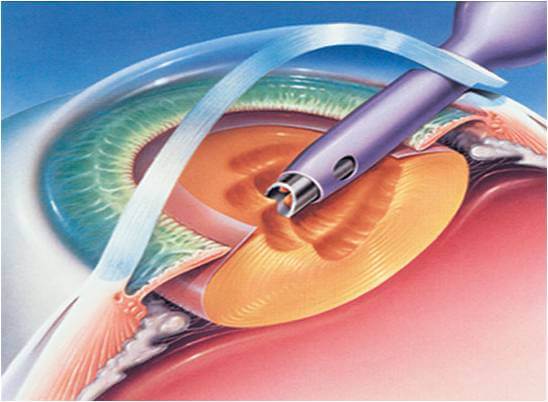
For millions around the world, cataract surgery is a life-changing event. Yet, the path to today’s safe, routine procedure was marked by decades of innovation and courage. The development of phacoemulsification, or “phaco,” revolutionized the treatment of cataracts. This minimally invasive technique uses ultrasonic vibrations to break up and remove the clouded lens, allowing for small, self-sealing incisions and rapid recovery. Explore the fascinating history of this groundbreaking technology, from its challenging beginnings to the precise, advanced systems used today.
The Dawn of a New Era (1960s–1970s)
Before phacoemulsification, cataract surgery involved a large incision and the manual removal of the entire lens, a procedure known as extracapsular cataract extraction (ECCE). Recovery was lengthy, and complications were common.
A Dentist's Visit Inspires a Revolution:
The story of phacoemulsification begins in 1967 with Dr. Charles Kelman, an American ophthalmologist. While at a dental appointment, he observed an ultrasonic tool removing tartar. This sparked an idea: could a similar device be used to emulsify a cataract within the eye?
A Rocky Start:
Kelman faced immense skepticism and initial failures. His first prototype caused corneal damage in early trials. However, his persistence led to the first human surgery and crucial technological improvements, such as the addition of irrigation and aspiration to maintain eye pressure.
The Foundation is Laid:
Kelman’s pioneering work established the core principles of phacoemulsification: using a small, ultrasonic probe to break down the cataract and aspirating the pieces through a minimal incision. His invention laid the groundwork for all modern cataract surgery.
Refinement and Acceptance (1980s–1990s)
Phacoemulsification gained widespread acceptance as further refinements increased its safety and effectiveness. The 1980s saw significant improvements in technology and technique.
- Improved Surgical Techniques: Surgeons developed and refined new methods for breaking up the cataract, including the “divide-and-conquer” and “stop-and-chop” techniques, which allowed for better control and faster surgery
- Advanced Equipment: Phacoemulsification machines became more sophisticated, with improved ultrasound technology, better fluidics control, and new materials like viscoelastics to protect delicate eye tissues.
- The Arrival of Foldable IOLs: The small incision size of phacoemulsification gave rise to foldable intraocular lenses (IOLs). These lenses could be inserted through the tiny incision and then unfolded inside the eye, further reducing incision size and recovery time.
Modern Advancements (2000s–Today)
The 21st century has seen phacoemulsification evolve from a technically challenging procedure to an even safer, more predictable, and personalized surgical experience.
- Micro-Incision Cataract Surgery (MICS): Surgeons now use incisions as small as 1.8 mm, offering even faster recovery times and less trauma.
- Laser-Assisted Cataract Surgery (LACS): Femtosecond lasers have emerged to perform key surgical steps with exceptional precision, including the initial incision, the circular opening in the lens capsule (capsulorhexis), and initial lens fragmentation. This enhances control and can improve outcomes, particularly with advanced IOLs.
- Advanced IOL Technology: Today’s foldable IOLs go beyond simply replacing the lens. Options now exist to correct astigmatism (toric lenses) and presbyopia (multifocal and extended depth of focus lenses), reducing or even eliminating the need for glasses after surgery.
- Smarter Phaco Systems: Modern phaco machines offer enhanced fluidics, precise power delivery with torsional and elliptical movements, and advanced safety features to minimize tissue damage and maintain anterior chamber stability.
The Future of Cataract Surgery
The journey of phacoemulsification continues. Researchers are exploring even more advanced technologies, including:
- Adjustable IOLs that can have their power modified non-invasively after surgery.
- New energy modalities, such as Aqualase, that use bursts of water to dissolve the cataract.
- From Dr. Kelman’s initial, revolutionary idea to the high-tech systems of today, phacoemulsification has transformed cataract surgery into a beacon of modern medicine. It stands as a testament to the power of innovation, forever changing how we restore the gift of sight.